Course 1
Hewing with Japanese Tools, Axe and Adze (3 day)
Fri, Sep 11, 2026, 8:00 AM PDT - Sun, Sep 13, 2026, 3:00 PM PDT

We specialize in producing timber frame structures, practicing the highest level of craftsmanship and utilizing the finest local materials.
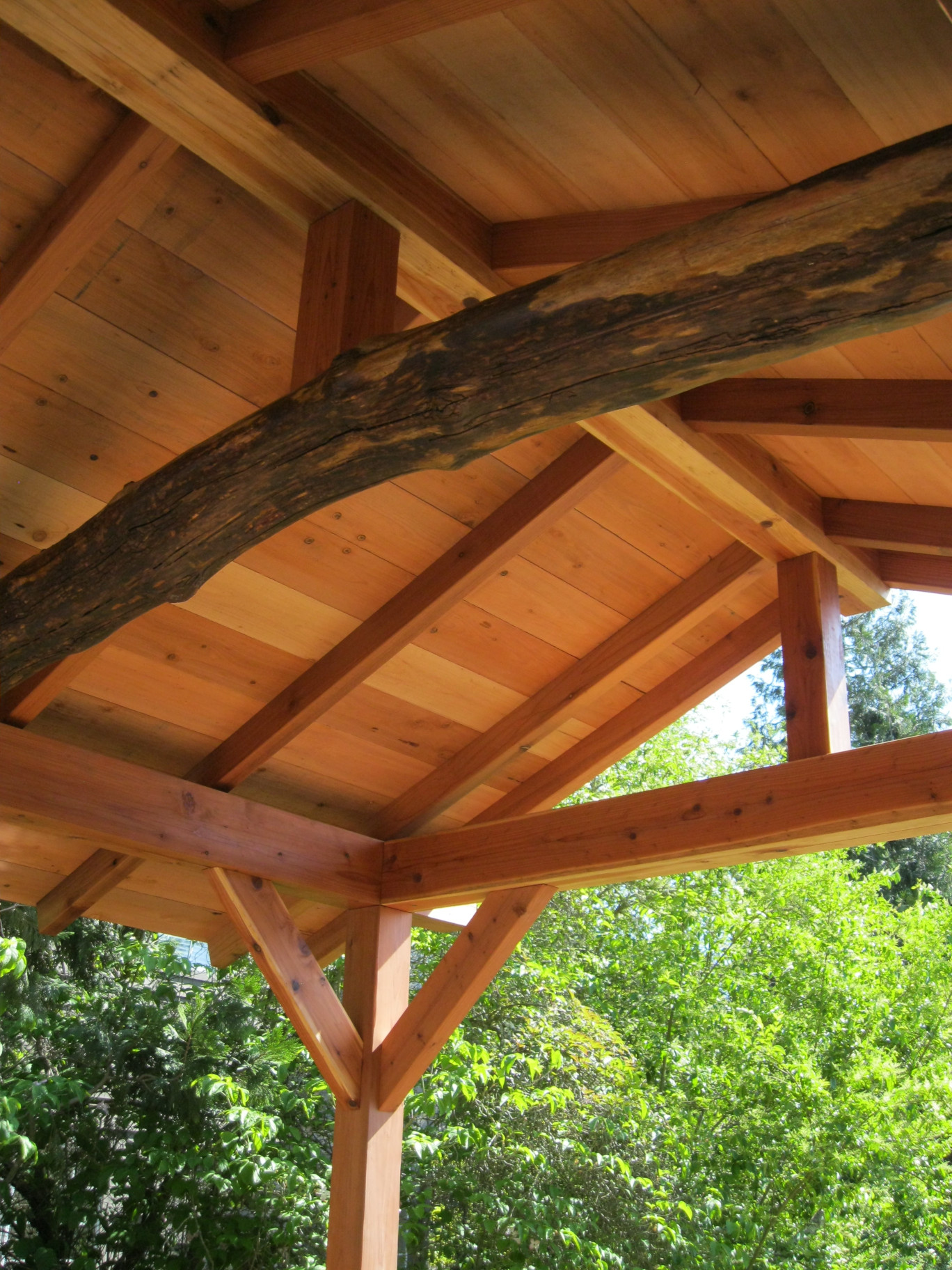
Beauty, Strength, and Structure
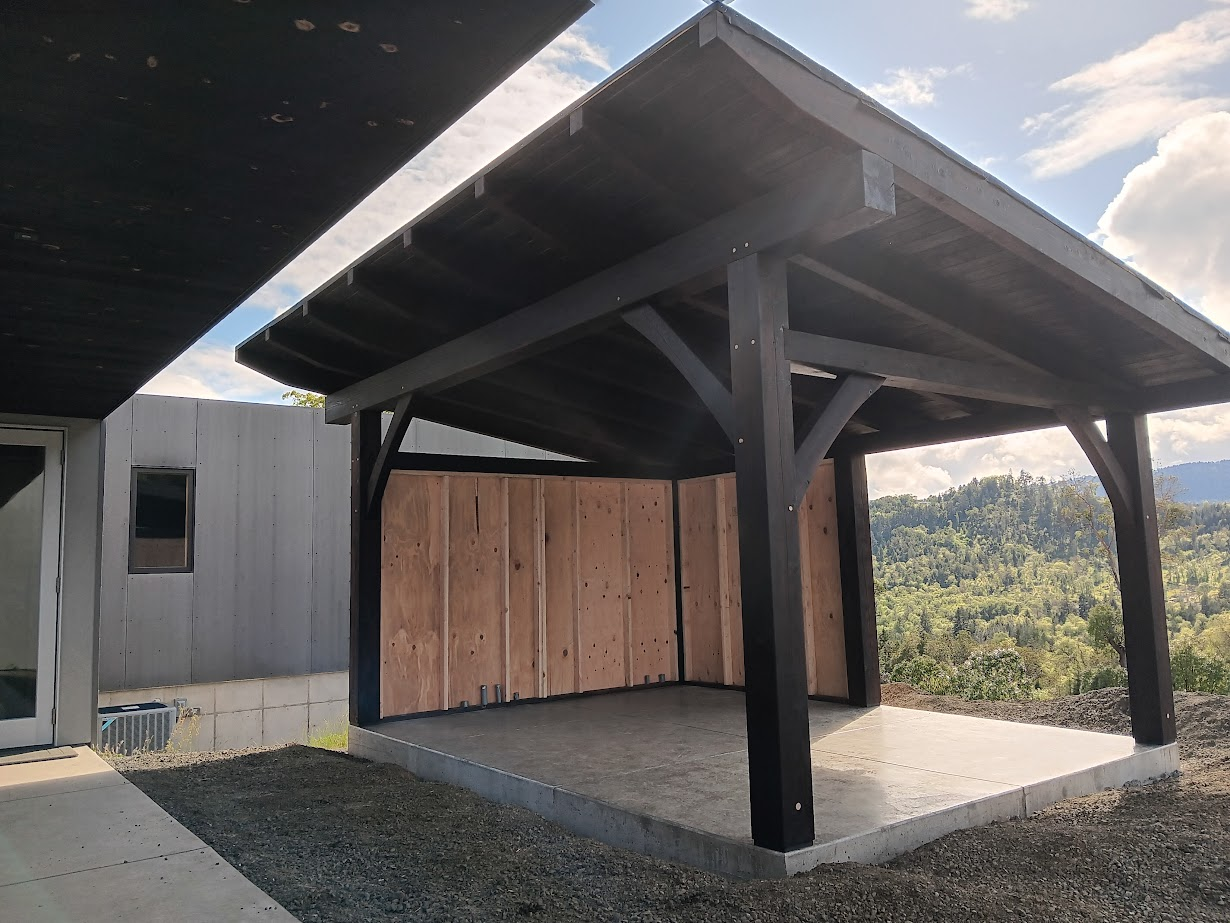
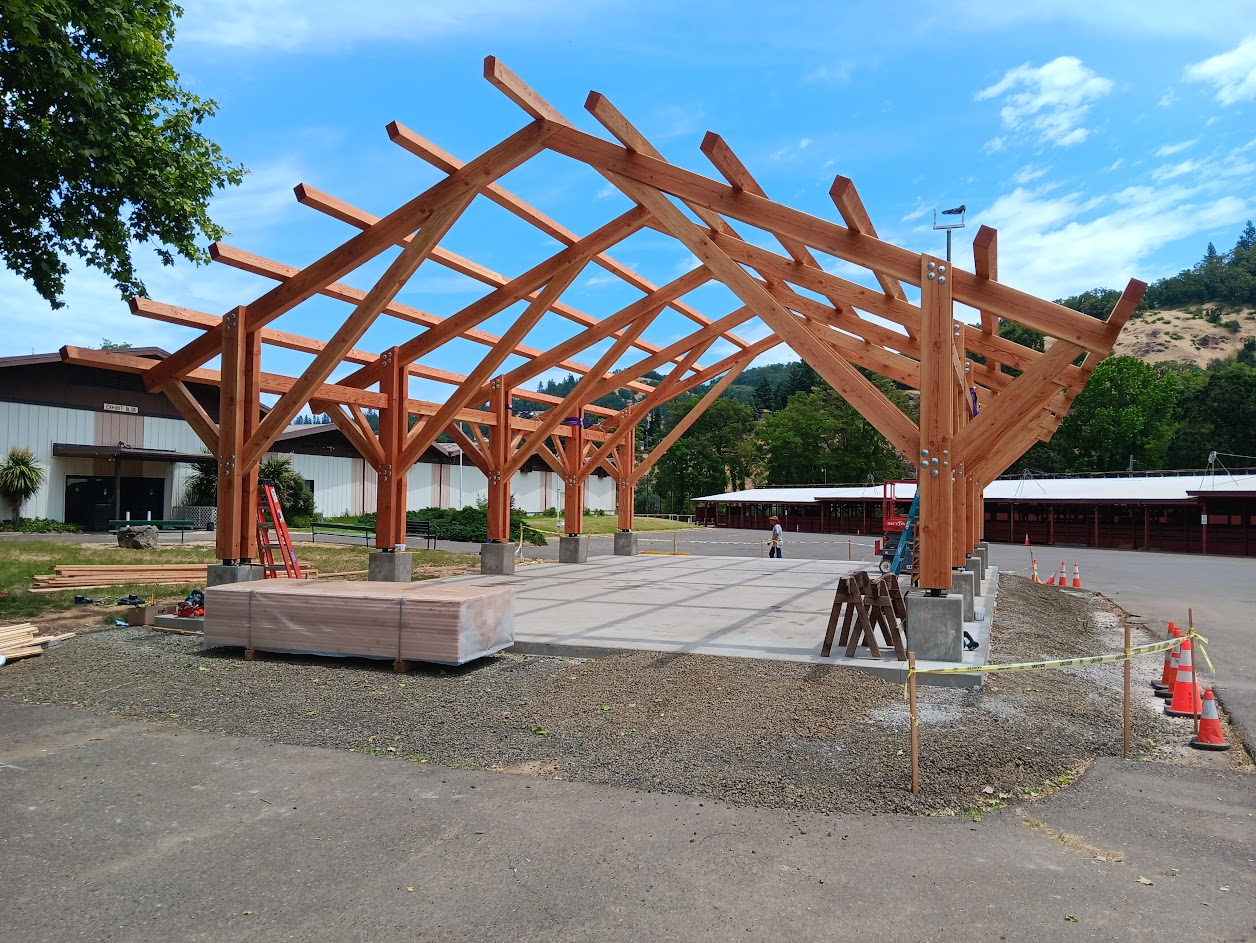
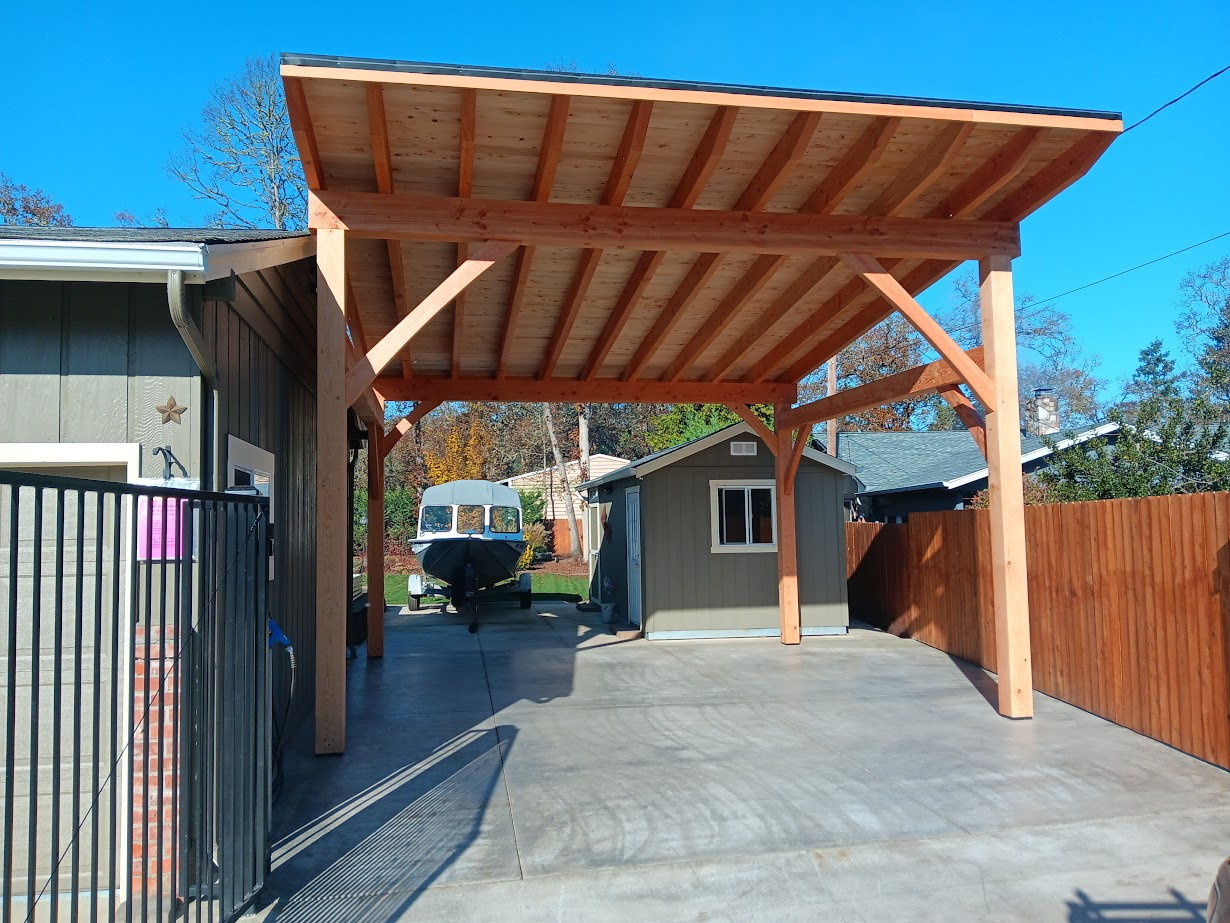
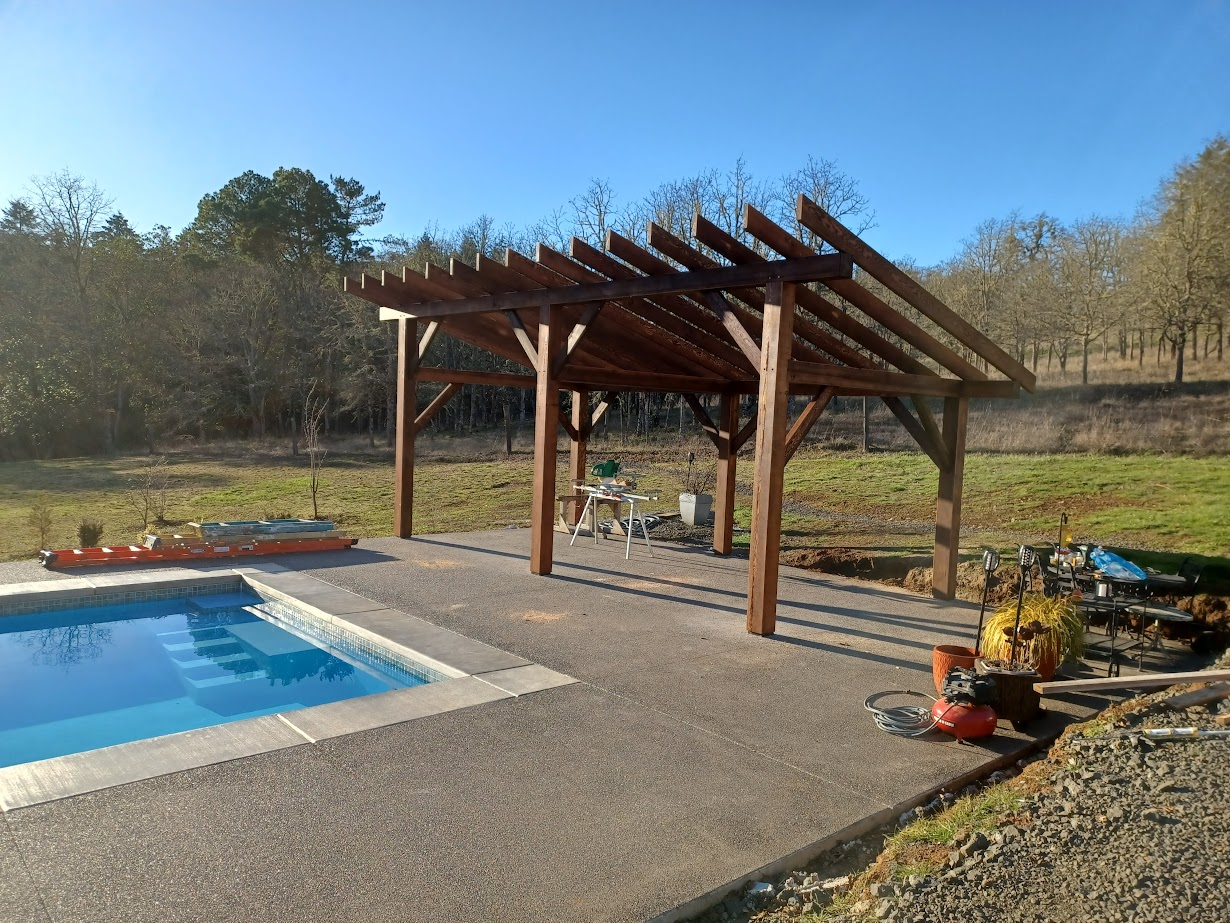
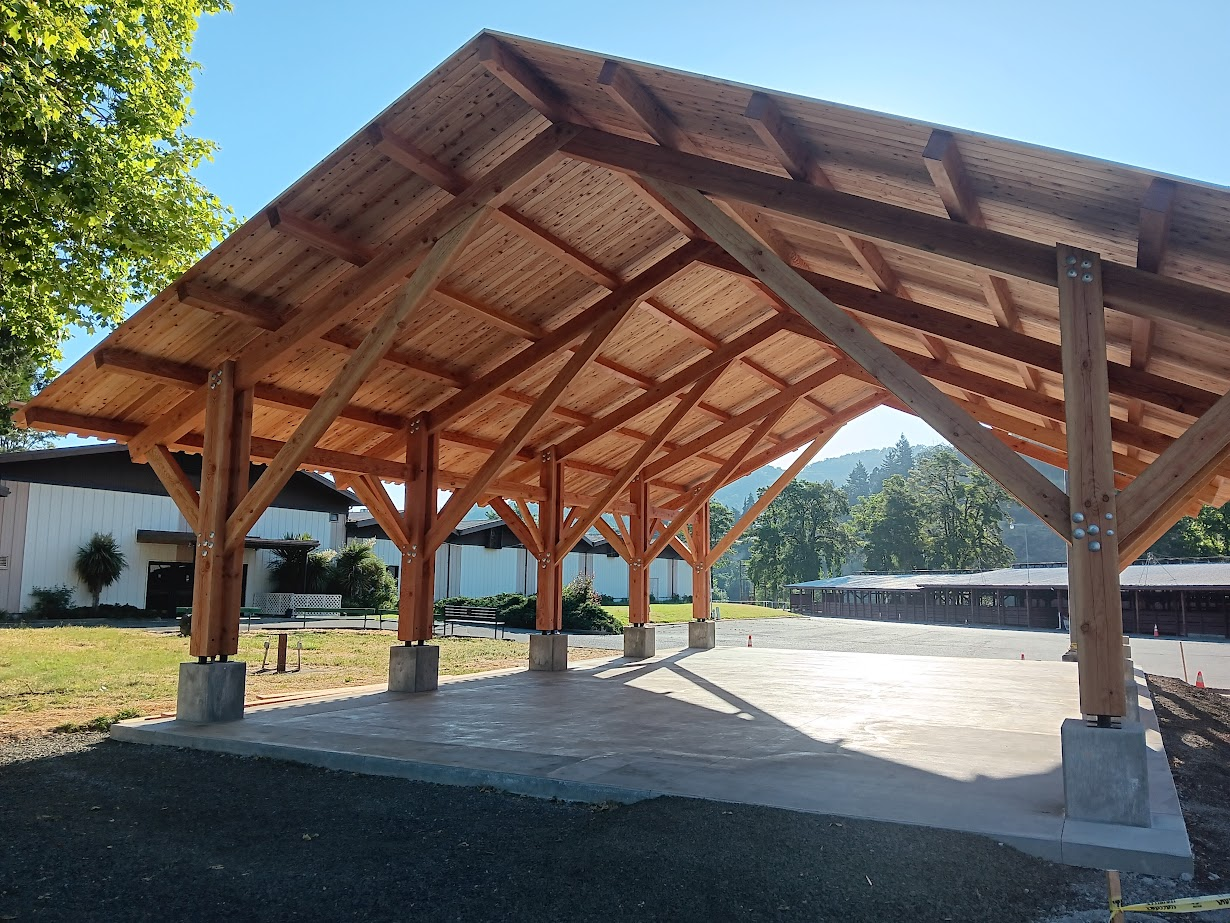
Whether your plans call for a traditional timberframe house, timberframe barn, timber trusses, a hybrid timber structure, an open pavilion, a timber porch or just a few key timber elements, Pacific Rim Timberworks has the expertise to bring your project to fruition.
We collaborate with our clients, architects, engineers, builders, public entities, and nonprofits to bring the beauty and strength of timbers into the structure.
Our service area: We are licensed as a general contractor in the state of Oregon. We work locally as a full service general contractor or subcontractor. Non locally we work as subcontractors or material suppliers.
Learn More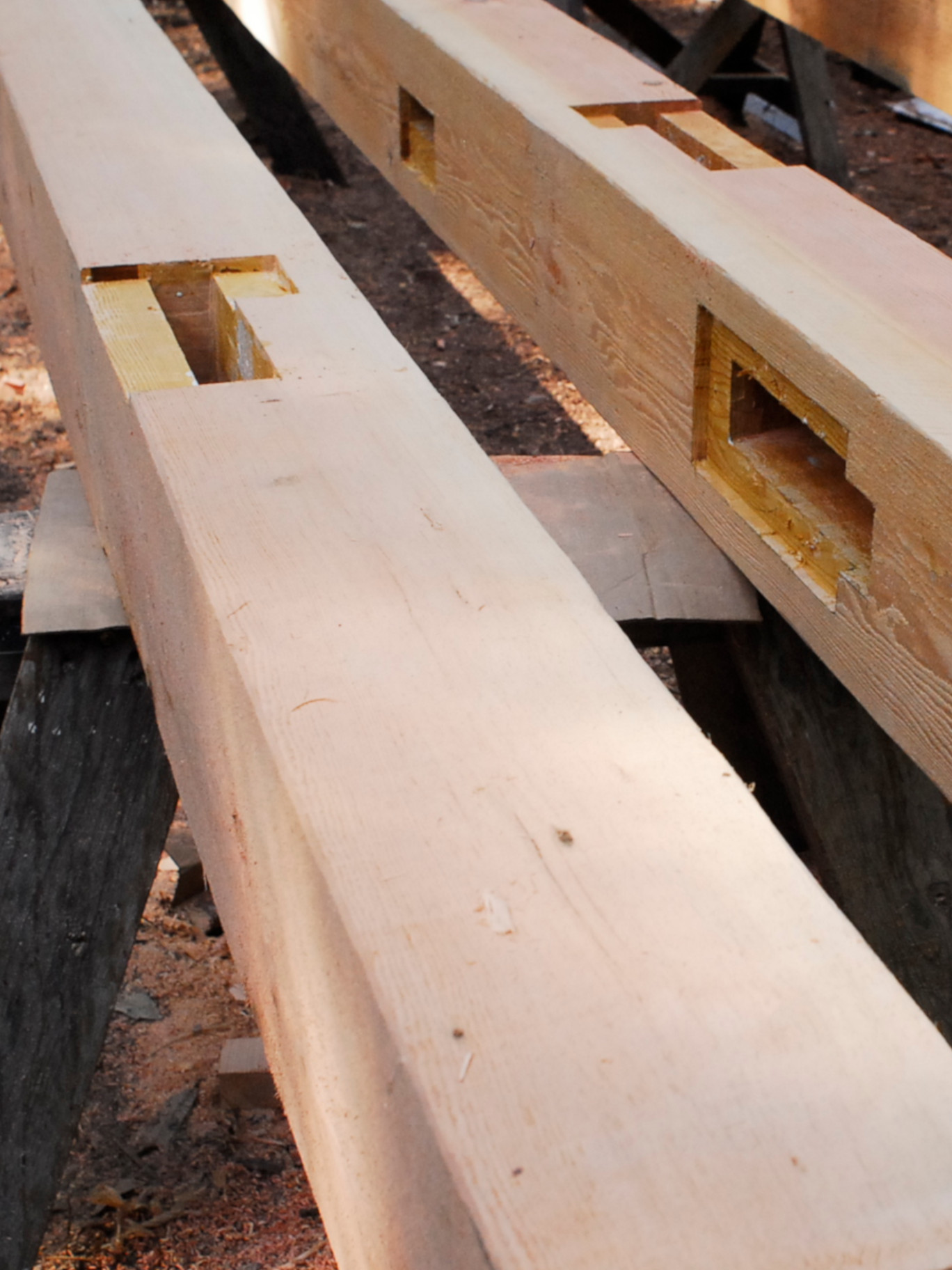
In order to build the finest timber frame homes and structures, we start by sourcing the best material available is our region. Luckily we are located in the Pacific Northwest where some of the best timber on the planet grows.
By locally sourcing as much of our buildings as possible, we create buildings that are firmly rooted in the Northwest and are a reflection of the land upon which they sit. We refer to this approach as "Forest to Finish".
We accomplish this "Forest to Finish" approach by gathering and milling materials ourselves and or working with trusted local suppliers.
Learn MoreTimberframing Core Skills Part 1 and Part 2 will be offered in May 2027. New dates for the year will be set by January 2027. All courses are held at the Pacific Rim Timberworks shop.
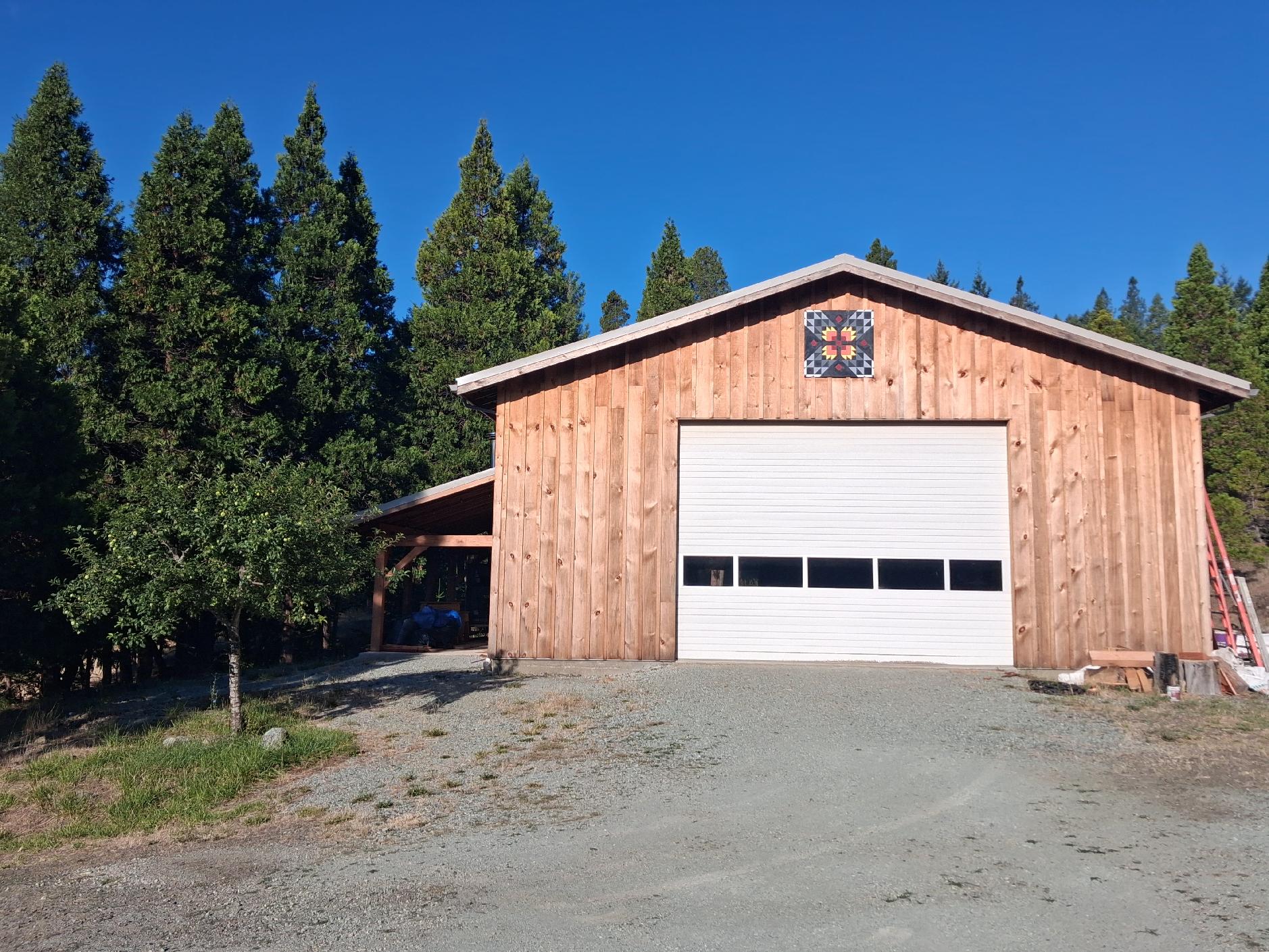
Workshop location for all courses.
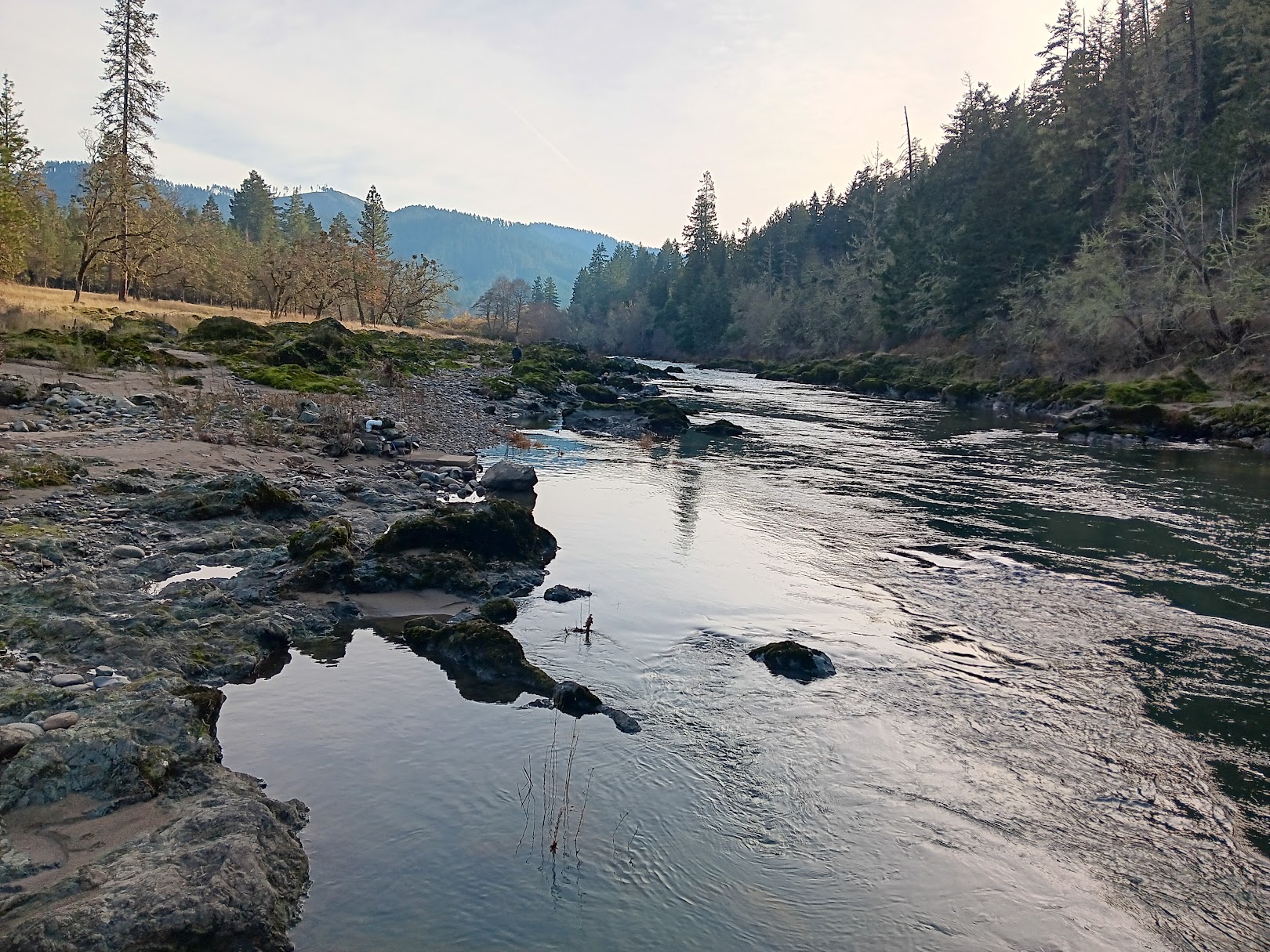
Courses include 3 meals per day, and free riverside camping is available.
Coming May 2027
We will have new dates set for the year by January 2027. Check back for course details and registration.
Reviews from past course participants
Excellent trainers and an awesome experience. The right balance of supervision and freedom to work. Tools available to use, as well as some items available for purchase. Prices were good as well. Shop was comfortable with good lighting. Space was adequate for the project build.
Meals were above my expectations. Delicious to say the least.
Apologies for the long review, but I felt I needed the space to properly say what I wanted to say about the experience.
I am writing this review after attending the first two of three stand-alone courses offered by Pacific Rim Timberworks. I recently completed the Timber Framing Core Skills course with Matthew Lovemark and Kieran McLaury, and I would rate the overall experience a solid 10/10.
Matt brings a tremendous amount of practical, common-sense knowledge to timber framing. I especially appreciated that his perspective goes beyond Western timber framing traditions and includes an extensive understanding of Japanese influences on the craft. He has a way of connecting the techniques being taught with the larger ideas behind the craft, which made the course much more meaningful than simply learning how to cut joints.
Both Matt and Kieran approached the course with the attitude that the class was really about the students—learning the craft, developing skills, and becoming capable of continuing to educate themselves after the course was over.
There was a wide range of experience and ability among the students, and I thought the instructors handled that extremely well. Everyone was allowed to progress at their own pace without feeling rushed or held back. Inevitably, students made a few small mistakes while learning. Matt and Kieran handled those situations particularly well. Rather than focusing on the mistake or making the student feel bad about it, they calmly worked through the problem, found a solution, and turned it into part of the learning experience. That created a very comfortable environment in which people were willing to try things and learn.
Kieran was an absolute treasure trove of technical knowledge. He has a unique and very pleasant teaching style, and his ability to explain the technical side of timber framing added a great deal to the course.
The class was extremely hands-on. There was ample time devoted to instruction, followed by plenty of time to actually practice and develop the new skills. The course was also very well organized and progressed in a logical, orderly manner throughout the week.
Matt’s shop was excellent. There was plenty of room to work, everything was very clean and organized, and all of the equipment necessary for the course was readily available. The tools and machinery were top-notch, and there was good instruction on how to operate everything safely and efficiently.
The hospitality was another exceptional part of the experience. Three meals a day were provided, and the food was absolutely amazing. There was a tremendous variety throughout the week, and every meal was different and delicious. I honestly cannot remember another time in my life when I ate this well for an entire week. The meals were professional-chef quality.
Matt, his wife, and his sister-in-law were wonderful hosts and made everyone feel welcome. The evening meals in particular created a nice opportunity for everyone to sit together, talk, and get to know one another outside of the shop.
Most of the participants camped along the river and seemed very happy with the experience. The setting was beautiful, and good bathroom facilities were provided. I personally chose not to camp and was able to find Airbnb accommodations only about five minutes away, so there were good options either way.
I also thought the value of the course was excellent. In the span of one week, I went from having limited practical timber-framing experience to feeling that I now have the fundamental skills and confidence necessary to execute and build a simple timber-frame structure.
I flew in from Colorado and then drove from Eugene, so I had a significant investment in both travel and time in order to attend these courses. Even with that added expense and effort, I still feel the value was absolutely there.
Having now attended the first two courses, I am looking forward to returning for the third. One important point is that these are stand-alone courses, so someone interested in attending the third course should not feel that they needed to have taken the first two in order to participate.
For anyone with a genuine interest in timber framing, I would strongly encourage you to sign up and attend. Whether you are just beginning or already have some experience, the combination of hands-on learning, knowledgeable instructors, excellent facilities, and outstanding hospitality makes this a very worthwhile experience.
10/10.
I appreciated the opportunity to use a lot of tools as well as have hands on experience cutting joinery, because I am a hands on learner I was able to understand what was verbally taught after actually doing it with my own hands that was the biggest help for me.
The food was great as well!
Big shout out and kudos on the food - it was well planned and delicious. Related to the class/workshop, I was pleased with the instruction received from Matt and Kieran. I appreciated the confidence they put in the students to do the work they were instructed on. At no time did I get the feeling anyone was looking over my shoulder - well done. At the risk of “splitting hairs”, full knowing this was the first of what I hope will be many more classes on timber framing. I would suggest as follows; day 1, could have provided more introduction of the overall project (site work completed, scope, goal of the class - i.e. was it to teach, provide volunteer labor for a community project, test the water on future workshops, etc.). Day 1 - would like to have seen a few minutes setting expectations on quality of work. When you hand your work off to the next step, it should be ready for the next step. When Matt and Kieran disagreed on an approach or solution, I liked the live debate in the setting (good lessons inside of the discussion) and Kieran was always good about pointing to Matt for final sign offs. My personal goals were met and overall a great experience. My preceding comments should be read as fine tuning for future classes and not any kind gross miss by any measure. Thank you for the experience and the opportunity to participate. All the best.
Very knowledgeable instructors. Good instructors. An enjoyable time and I learned new skills.
Course 1
Fri, Sep 11, 2026, 8:00 AM PDT - Sun, Sep 13, 2026, 3:00 PM PDT
Course 2
Mon, Sep 21, 2026, 8:00 AM PDT - Fri, Sep 25, 2026, 5:00 PM PDT
Course 3
Mon, Sep 28, 2026, 8:00 AM PDT - Fri, Oct 2, 2026, 5:00 PM PDT
If you would like to be added to our mailing list for future class offerings, enter your email and subscribe.
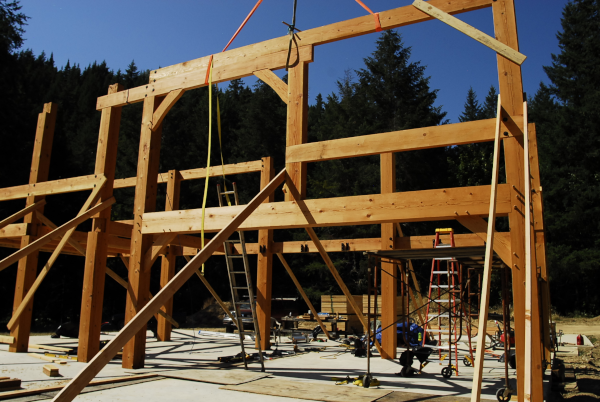
Timberframing is one of the oldest and most widespread forms of building technology. Simply put, it is connecting post and beams (timber) with joinery to create structure.
That said, timber framing has evolved and refined throughout history. These refinements reached their peak in both the English style and the Japanese style several hundred years ago. Moving forward we can incorporate elements of both styles and pair them with modern building systems to create structures that honor tradition and meet the needs of our current lifestyles.
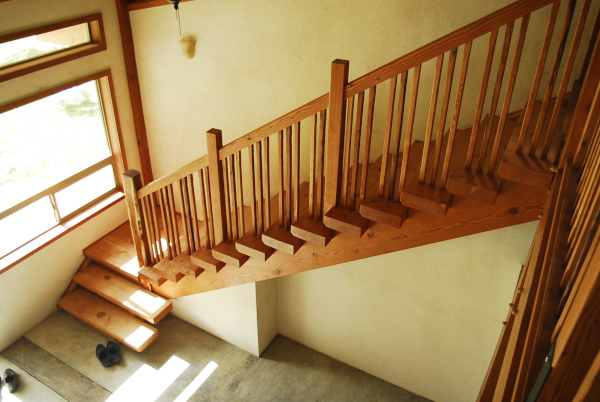
Traditional Timberframe: A home or structure that uses timbers and joinery for all the walls and structural support. Often using no metal hardware to accomplish this task. This style of building is appropriate for the purist whom wants a heritage home and is willing to pay the higher cost for a fully authentic frame.
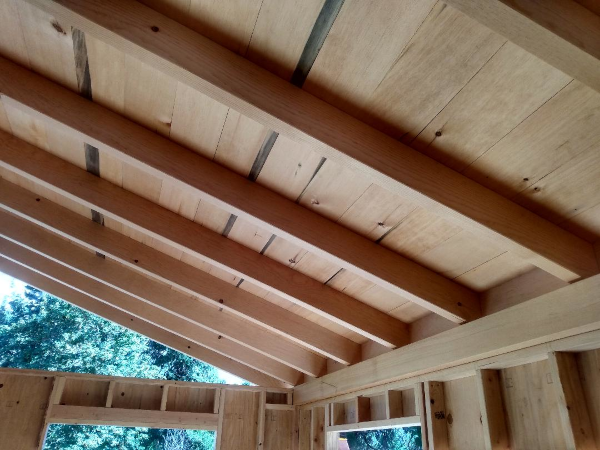
Timberframe Hybrid: A structure that is partly timberframed and partly conventionally framed. This type of structure is often used when a client wants the open floor plan of a timber frame, and the look of a timber ceiling, but doesn't need a fully traditional frame. This is often accomplished by using a timberframed core, and conventional exterior walls.
Timberframed elements: This is where timberframing is used as a highlight in a conventionally framed build. Some examples of this would be using timber trusses to create a great room, using timberframed porches, providing rafter and beam packages to create open spaces.
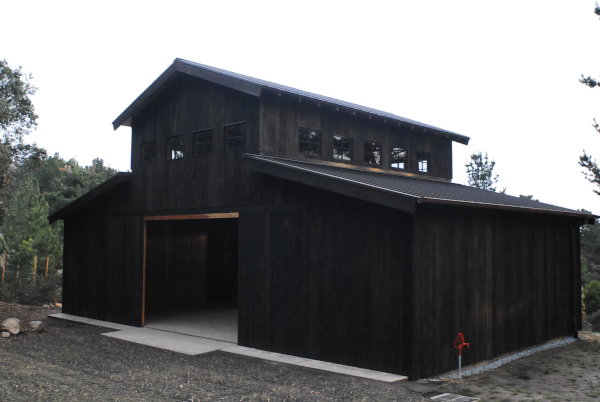
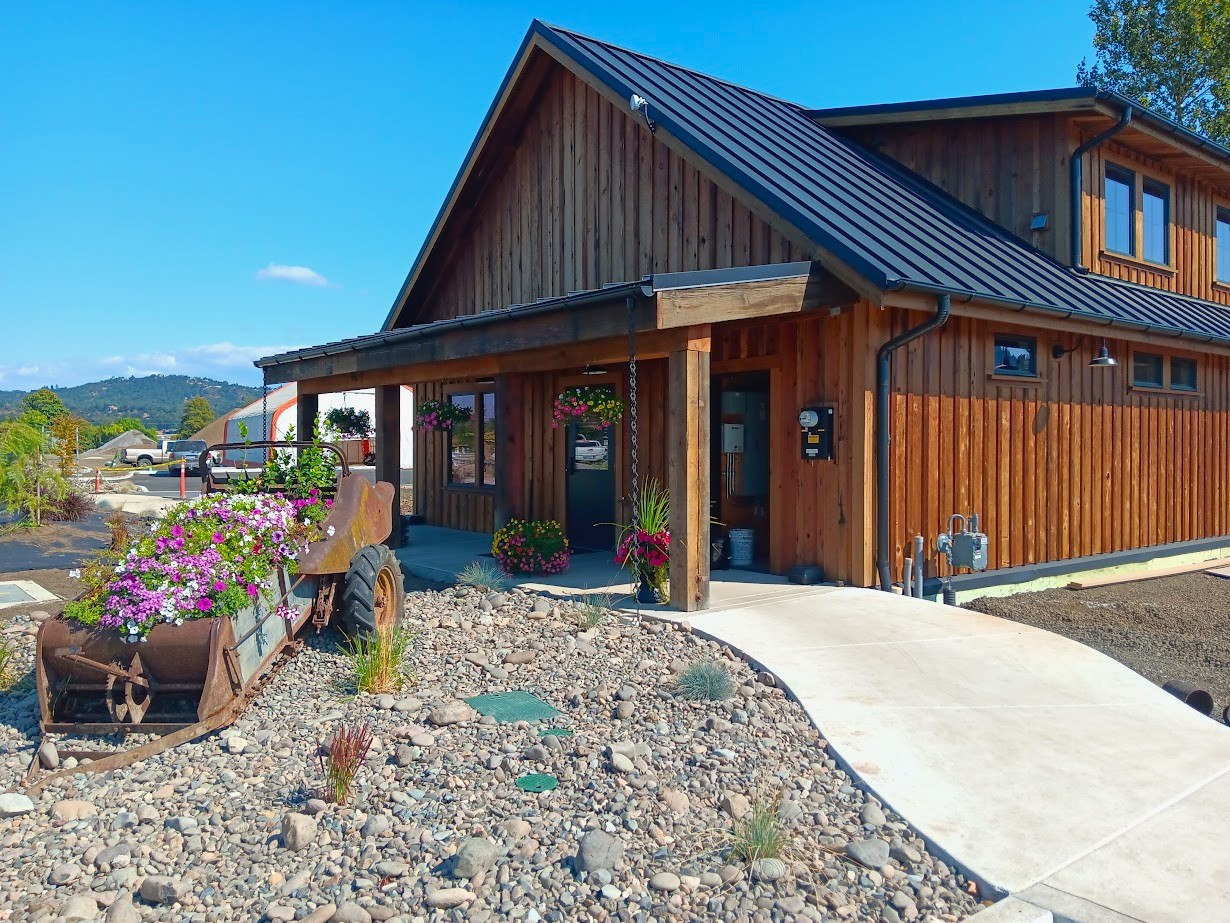
Timberframed Barn: Timber framed barns are an American tradition. We not only build new ones, we also work in restoring and repurposing existing barns.
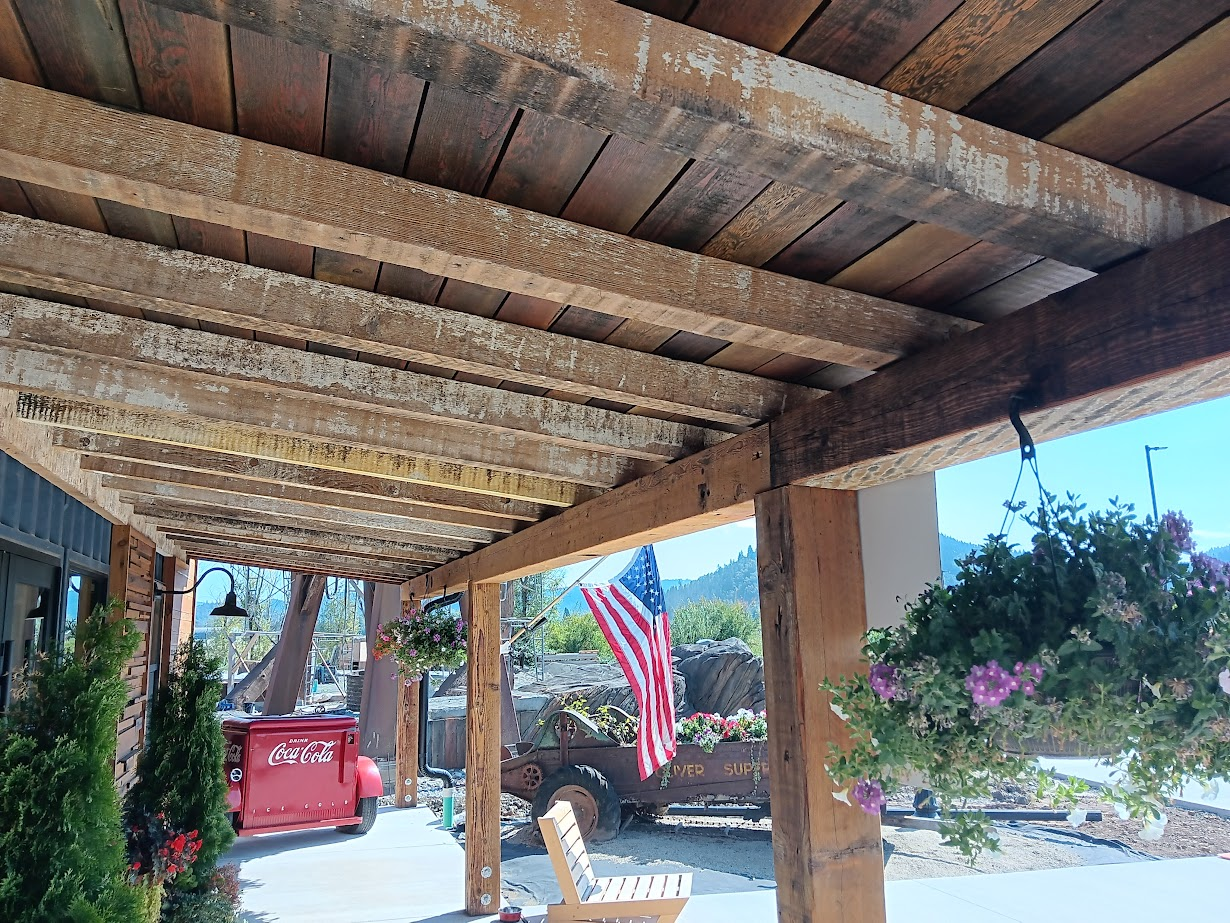
We are committed to using as much salvaged and reclaimed lumber as possible, in this way we can use the strongest and most ascetically pleasing grades of lumber and feel good knowing that our process did the least amount of environmental harm.
We often use tight grain douglas fir, port orford cedar, sugar pine, madrone, pacific yew, black oak, white oak, black walnut, big leaf maple, red cedar and redwood.
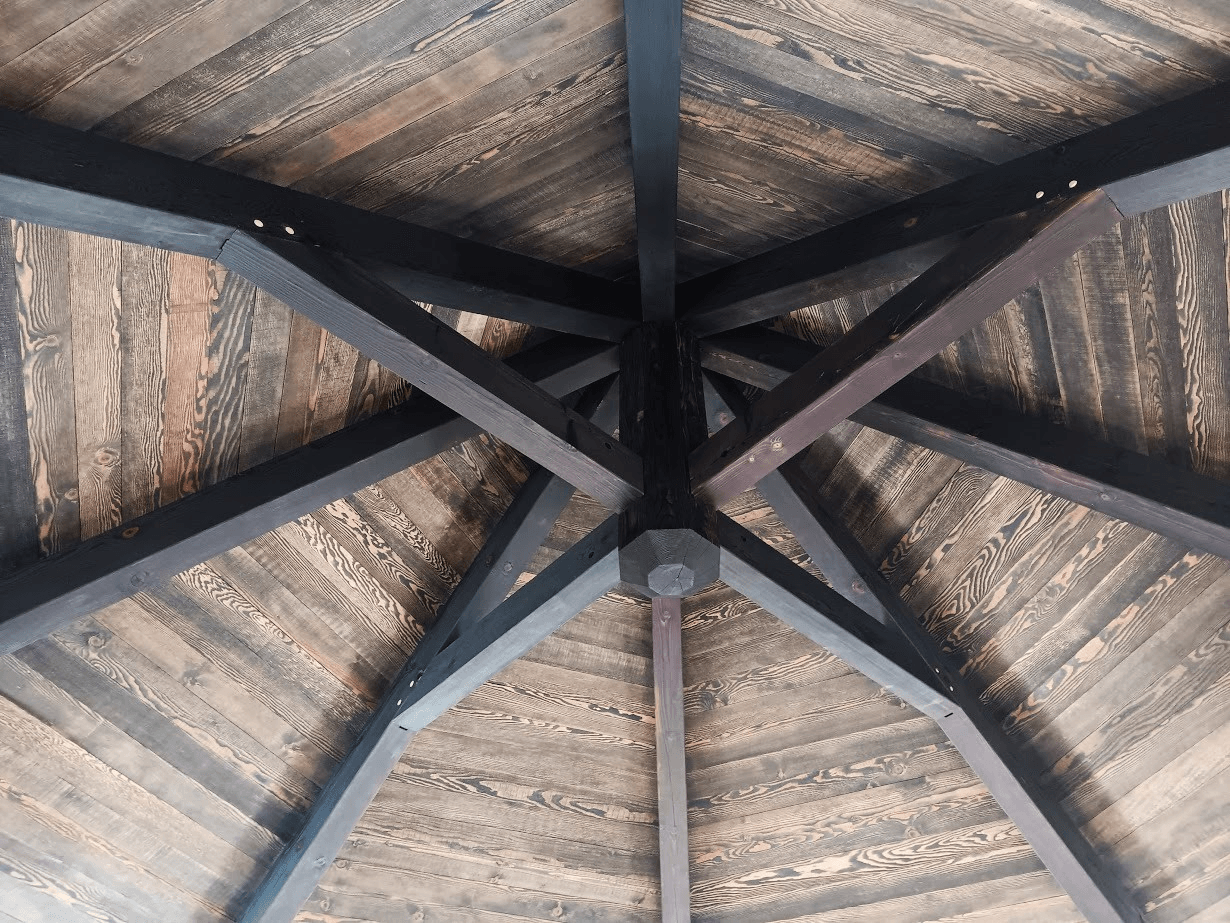
Some of the products that we mill ourselves include: siding, ceiling boards, structural post and beams, trim products, flooring, and built-in millwork. We offer these products based on our clients' needs and material availability. If we are unable to source a product ourselves quickly and competitively, we look to our local suppliers.
Some of the products we get from our local suppliers include: studs, rafters, structural post and beams, glulam beams, cross laminated panels, ceiling boards, and plywood.
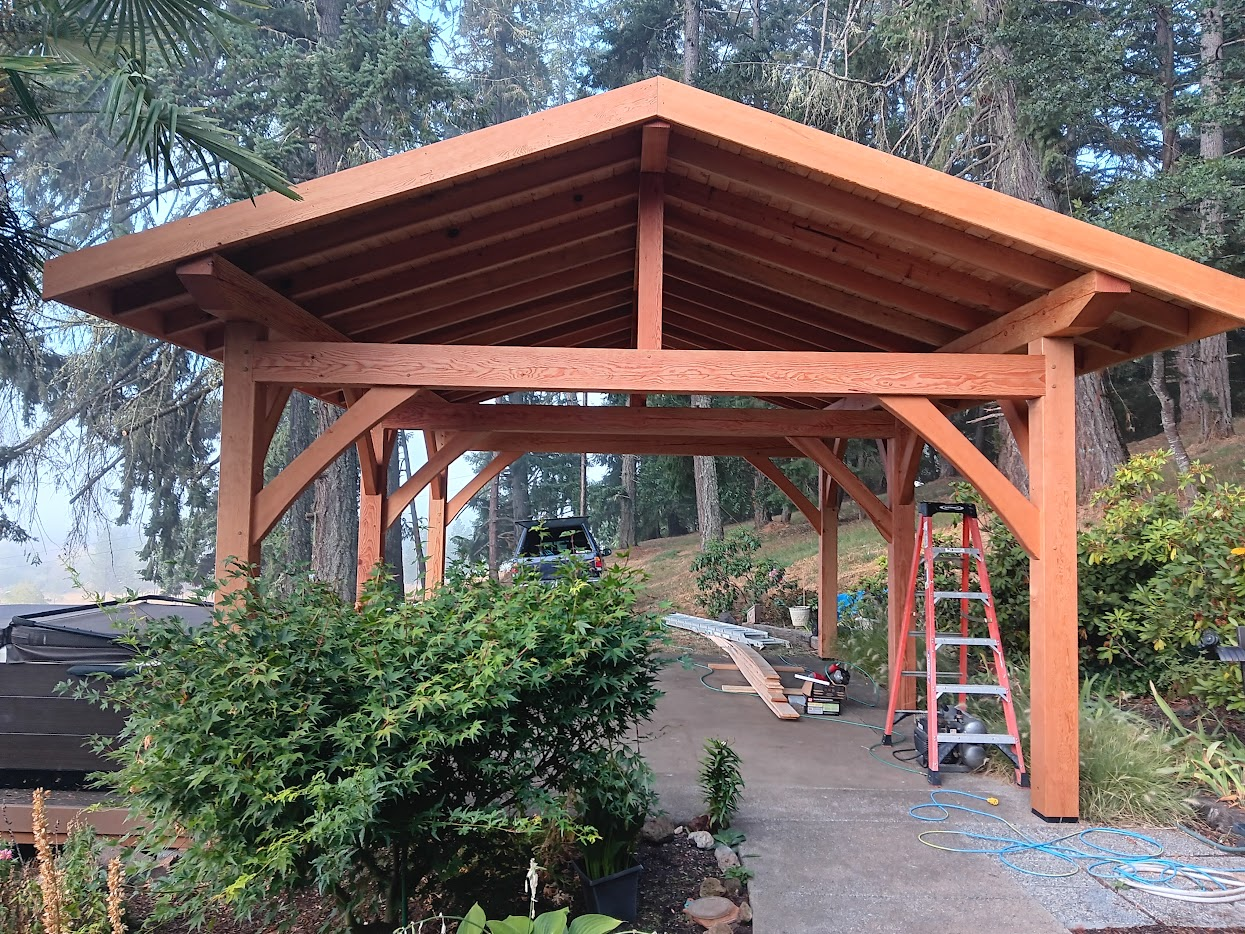
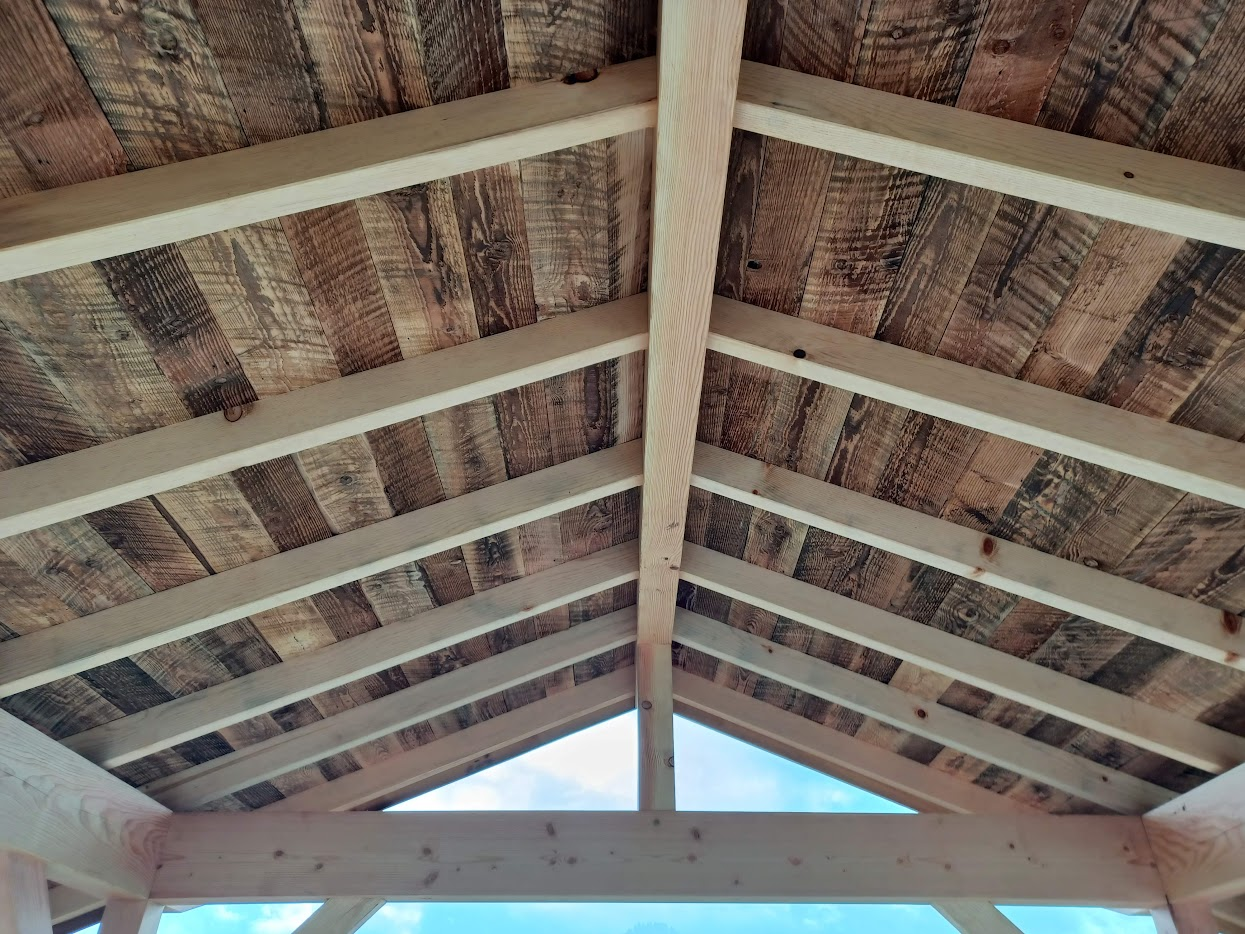
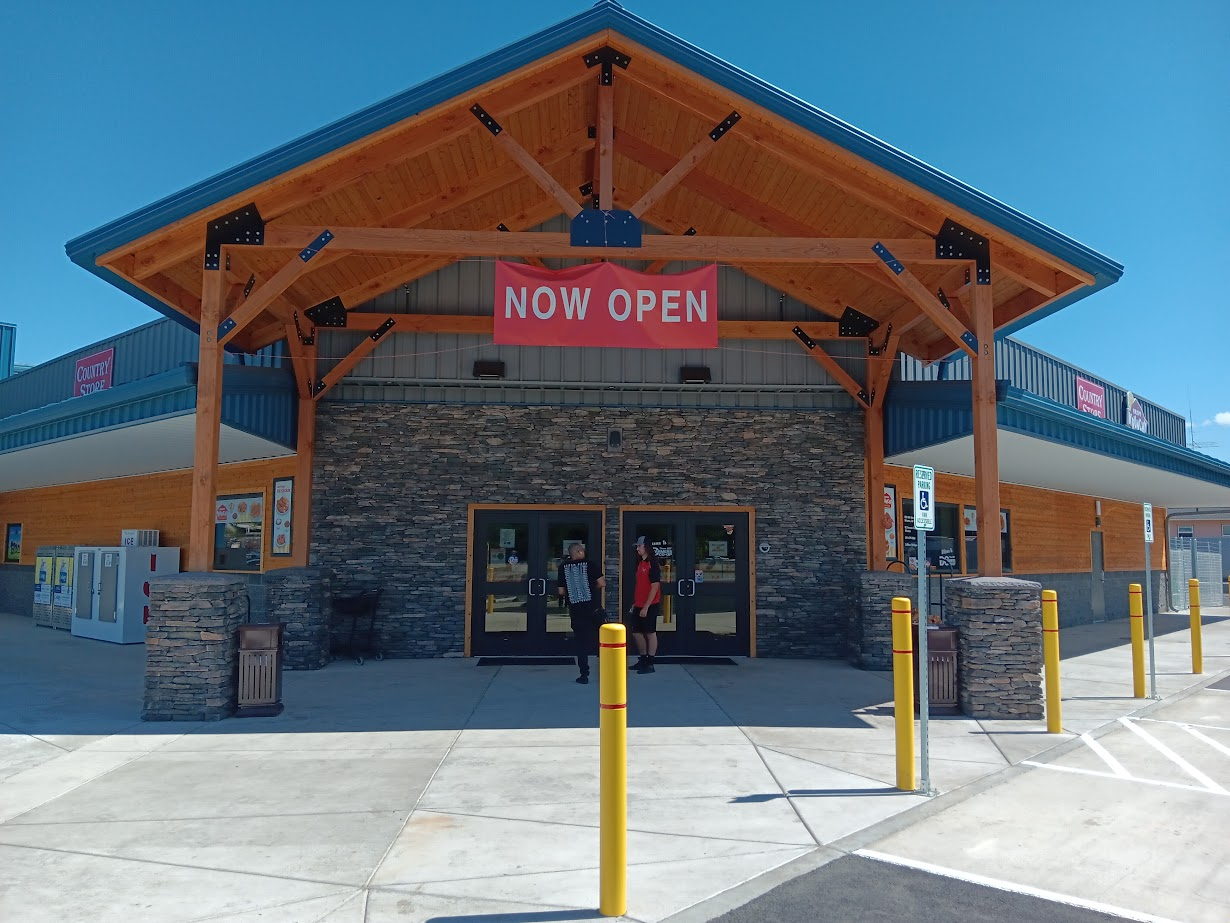
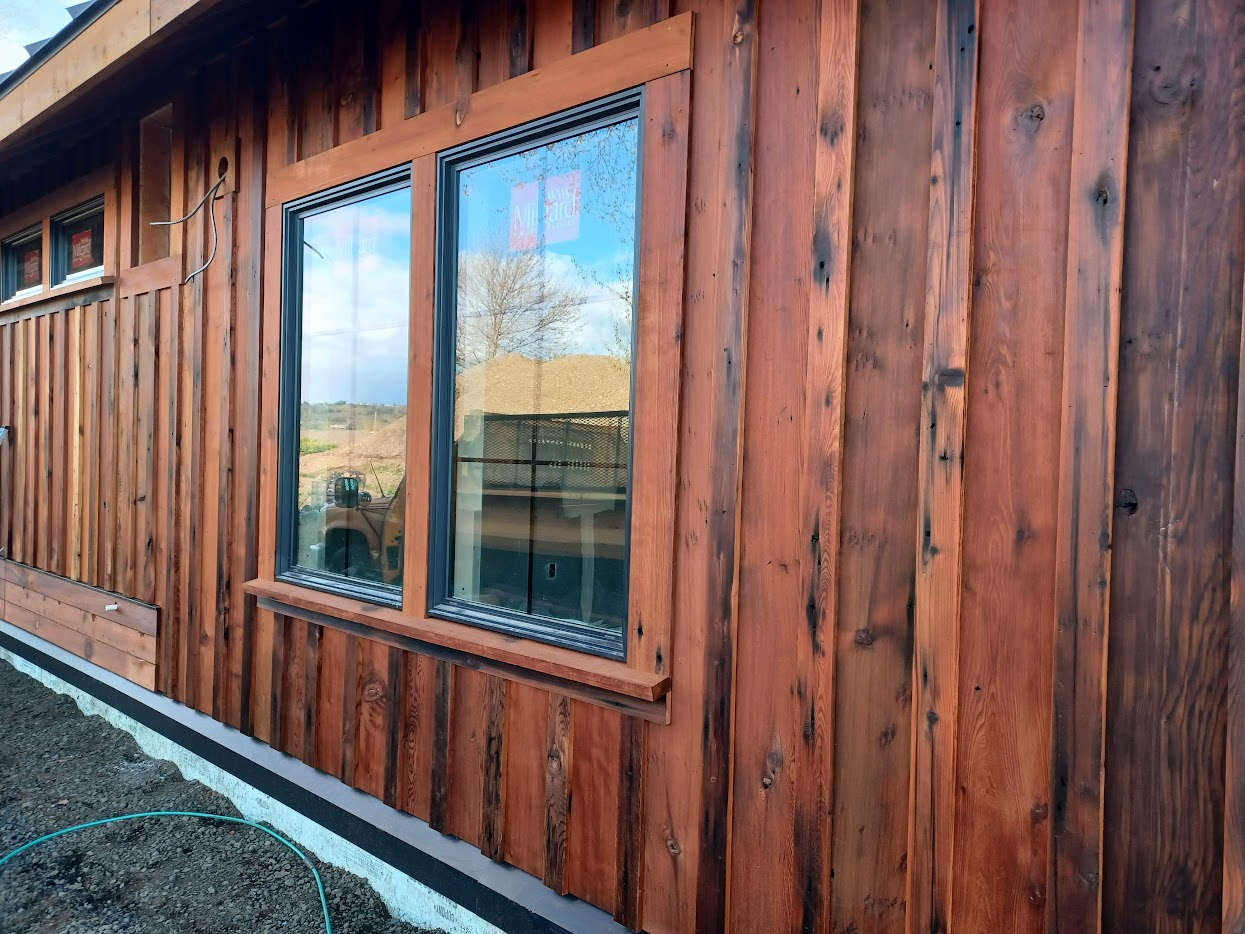
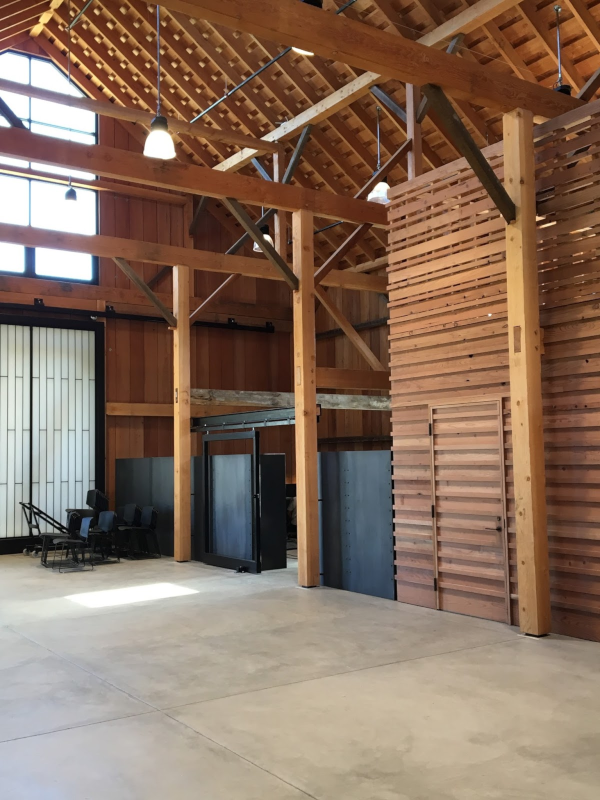
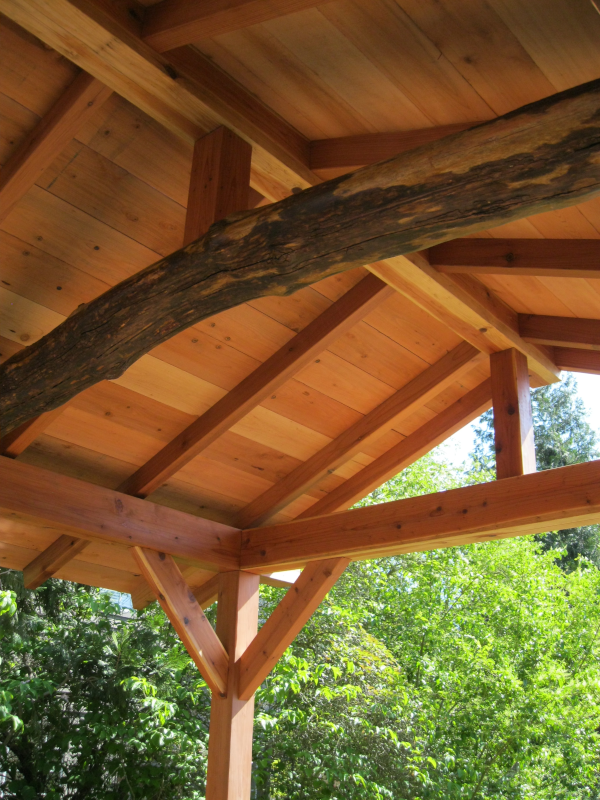
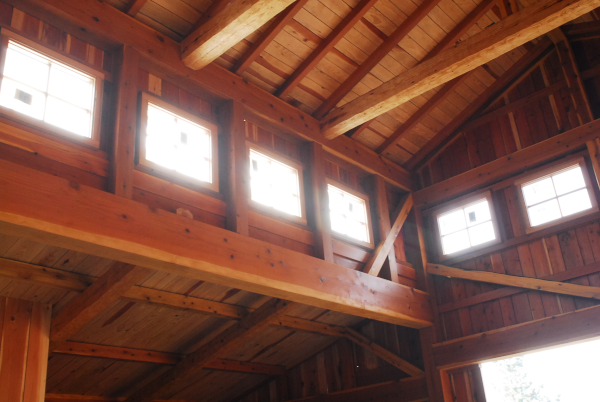
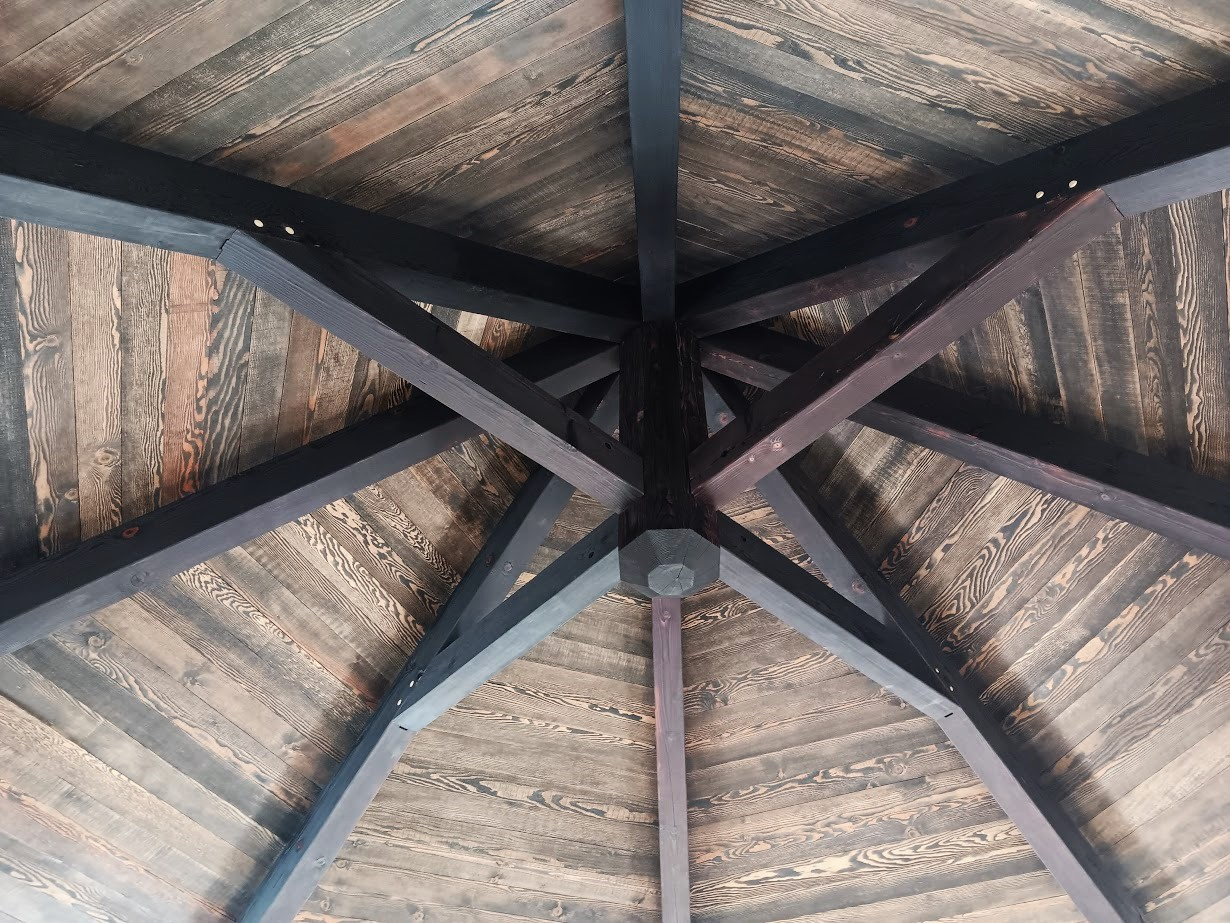
Pacific Rim Timberworks (PRT) was founded by Matt Lovemark. Lovemark traveled extensively as a young man and became interested in building. Having a family background in the timber industry, timber framing was a natural fit. To get started in this somewhat esoteric field, Lovemark attended a post and beam building course at The Island school of Building Arts in Gabriola, BC. This lead to a full time apprenticeship at Santa Cruz Timberframes in Santa Cruz, Ca, where Lovemark was fortunate to work under Master Builder Karl Bareis. There he helped build a variety of timber frame projects from traditional Japanese style homes to large scale reconstructions of American traditional timber barns. During this time Lovemark was exposed some of the best craftsmen in the Bay Area as well as some of the best in Japan. This experiences inspired Lovemark to form his own style of building that was in sync with his homeland in the Pacific Northwest. In 2015 Lovemark Returned to Oregon and founded Pacific Rim Timberworks.
Pacific Rim Timberworks is located in Days Creek, Oregon. Pacific Rim Timberworks operates from a 60 acre family farm that includes a lumber yard and large workshop. Pacific Rim often collaborates with a collection of local and national craftsmen.